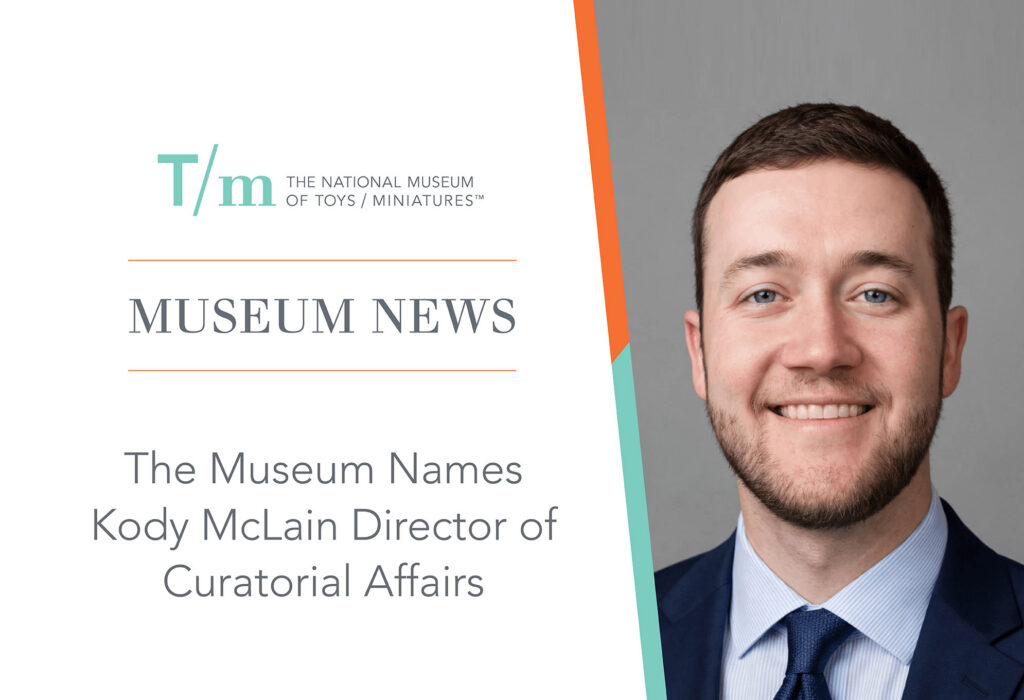
The National Museum of Toys and Miniatures Names Kody McLain Director of Curatorial Affairs

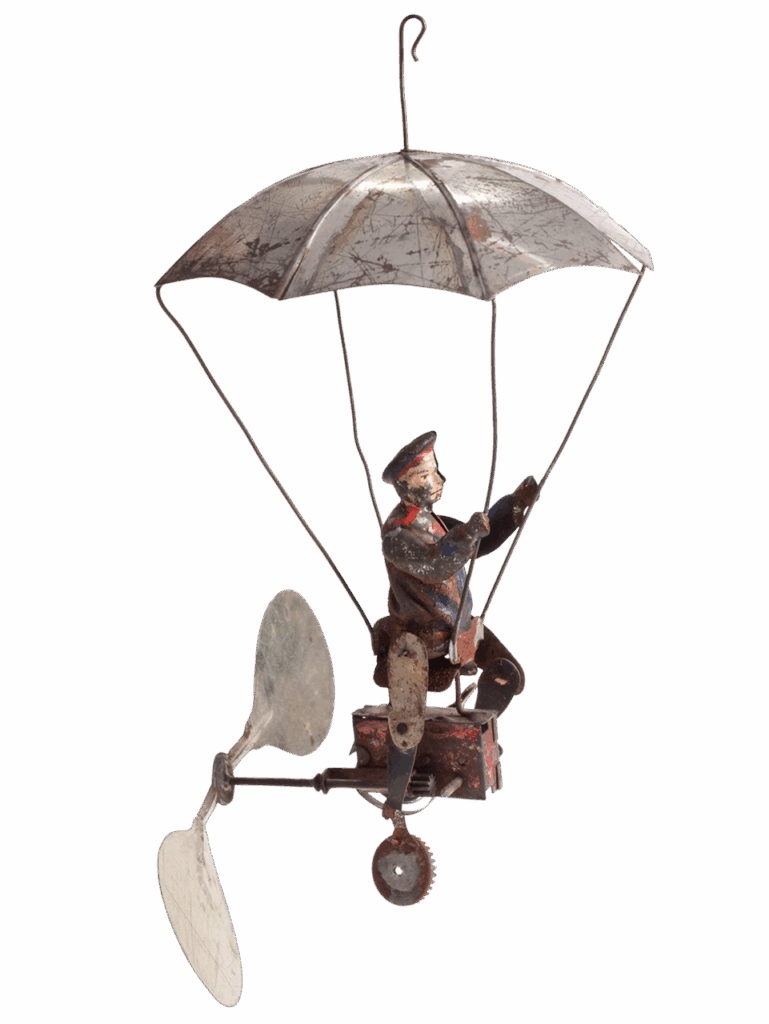
The mission of The National Museum of Toys and Miniatures is to educate, inspire, and delight people of all ages by collecting, displaying, and interpreting toys and miniatures that illuminate diverse narratives and cultural heritage.

The Museum’s vision embraces a dynamic fusion of creativity and storytelling, showcasing toys and miniatures of both artistic mastery and historical significance.
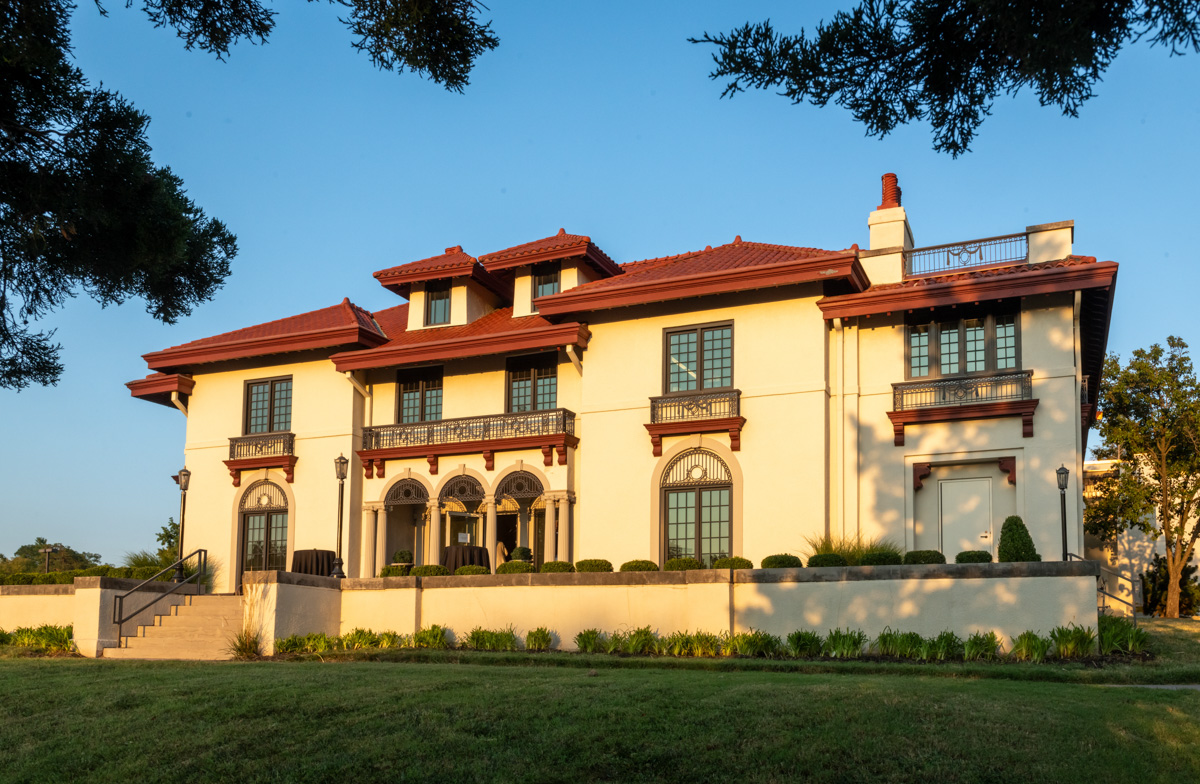

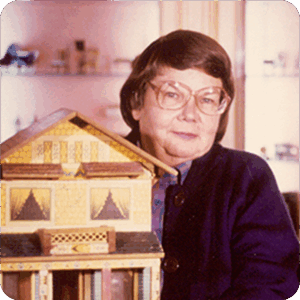
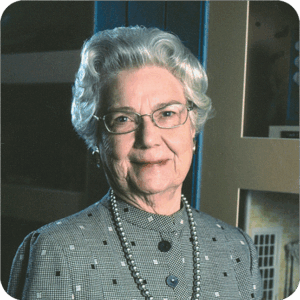
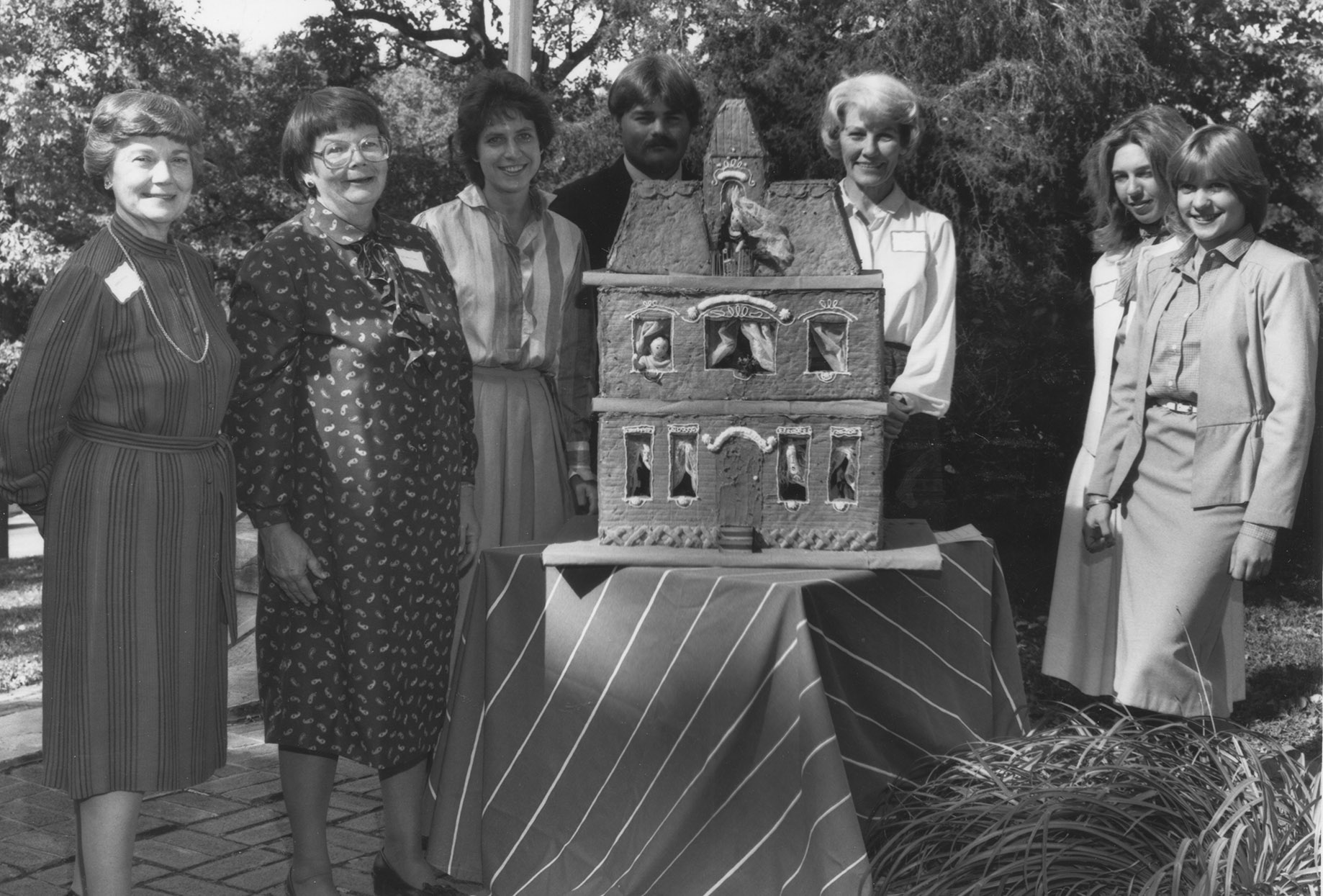
Since 1982, The National Museum of Toys and Miniatures (formerly the Toy and Miniature Museum of Kansas City) has delighted audiences with an extensive collection of historically significant toys and fine-scale miniatures. The Museum’s co-founders, Mary Harris Francis and Barbara Hall Marshall, had amassed large personal collections when they had the idea to open a museum and share their collections.
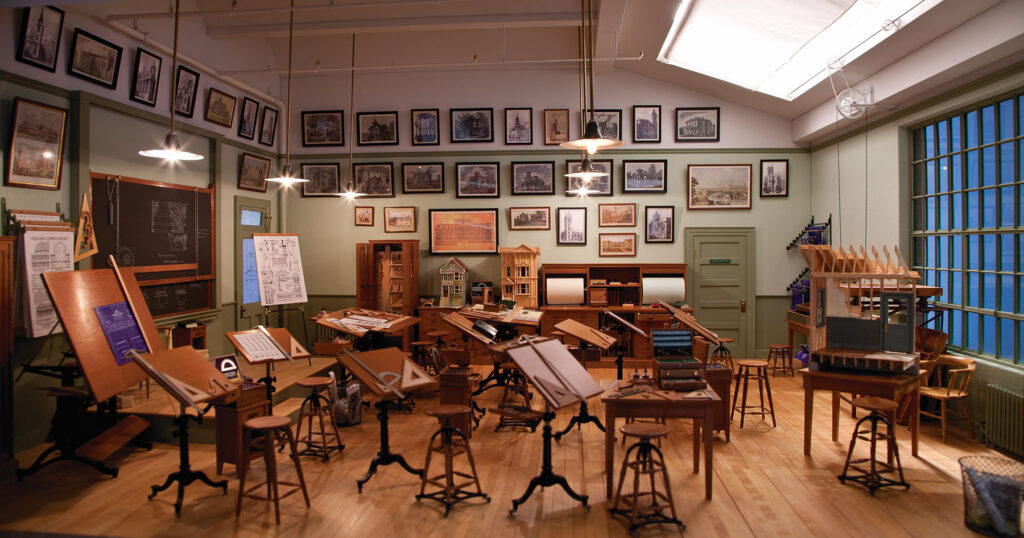
The Museum opened in the historic Tureman Mansion on the campus of the University of Missouri-Kansas City (UMKC). The Museum expanded in 1989 and 2004, to its current size of 33,000 square feet. In 2014-15, the Museum was closed for 19 months for renovations, reopening on August 1, 2015. The Museum’s collection currently numbers more than 100,000 objects—and counting.

The National Museum of Toys and Miniatures values representation and belonging as central to its mission. Furthermore, the Museum embraces race, ethnicity, culture, nationality, gender, gender identity, gender expression, age, sexual orientation, disability, linguistic ability, learning style, religion, socioeconomic status, veteran status, life experiences, educational level, and family structure as a part of our culture and mission.
The Museum seeks to recognize and respect myriad expressions of the lived experiences of our visitors, staff, and community. These efforts include widening the narrative the Museum presents in its galleries by collecting stories of people from traditionally underserved communities, and acquiring works by artists of many cultures and backgrounds.
The Museum believes language has the power to shape reality and we continually review current label copy and reflect on methods to reduce the harm from historic terminology to marginalized communities. Additionally, we are expanding the use of learning vehicles in digital, web-based, and tactile forms to increase connection to the Museum’s collection.
The Museum stands in solidarity with historically underserved communities and pledges to stand against structural racism and oppression. We acknowledge our accountability and amplify our dedication to listen, learn, and create dialogue around social change.

The Museum’s Strategic Plan outlines its vision for growth, education, and engagement. Learn how the Museum is shaping its future while honoring the artistry and cultural significance of toys and miniatures.
The National Museum of Toys and Miniatures stands on the homelands of Native American Peoples, at the juncture of the Missouri and Kansas rivers.
In recent years, these nations have included the Delaware, Kansa, Missouria, Otoe, Osage, and Shawnee.
We pay our respects to all Indigenous peoples—past, present, and future—for their continuing presence on this land.